Visualizzazione post con etichetta summer in Florence. Mostra tutti i post

mercoledì 15 luglio 2015

International Art History Through Film: Palazzo Strozzi Summer Events

Palazzo Strozzi, known for its culture and art related events, put together a program to celebrate the summer in Florence. This Thursday, July 16, the final event of the program will be taking place. Cinema D'Artista will celebrate the art of cinema by showing a film about the power art has to connect the past and present. Les Statues Meurent Aussi by Chris Marker and Alan Resnais was a well received documentary in 1953, and Palazzo Strozi hopes the ideas will connect viewers with the concept behind the current sculpture exhibition at the museum, Sculptures Also Die

The film will begin at 21:00, in the Palazzo Strozzi courtyard, which will be transformed into a theater space for the viewing. It will be shown in the original language (French) with Italian subtitles, and the visuals promise to be captivating. 

After Les Statues Meurent Aussi, Palazzo Strozzi will screen another film, It for Others. This video, made by Irish artist Duncan Campbell, won the 2014 Turner Prize for its reinterpretation of the 1953 French film. This video portrays modern perspective and reflections on history, society, and politics, and the power art has over them. If you are an art history lover, film buff, or simply interested in diving deeper into the fantastic cultural events Florence has to offer, this is a wonderful option for a way to spend Thursday evening. 

Contact us! info@istitutoeuropeo.it - www.istitutoeuropeo.it

giovedì 9 luglio 2015

Arising out of Rivalry, Palazzo Strozzi Now Hosts the Biggest Art Exhibitions in Florence

by Laura Tressel

What happens when a feud between the two biggest families in Florentine history causes property rivalry? Grand palaces get built. The Medici and Strozzi families were both very big powers in the city around the 1400s and 1500s. When the Medici banned the Strozzi family from Florence in 1434, Filippo Strozzi the Elder moved to Naples, where his skills as a banker made him very wealthy. He returned to Florence in 1466 after reconciling with the Medici. He decided he wanted to show off his success in a way that would make it obvious to the Medici that his family was relevant to the power play.


He commissioned Palazzo Strozzi to be built on via Tornabuoni, and he wanted it to be spectacular. The original building was designed by Benedetto da Maiano, then handed over to Simone del Pollaiolo in 1490. The Palace wasn't completely finished until 1538, and Filippo died before he could see the finished product. One thing that makes the building special, is that unlike Palazzo Medici which was built on a corner with only two walls exposed to streets, Palazzo Strozzi is surrounded by streets on all four sides, giving it a strong and independent presence. The Strozzi family remained in possession of the palace until 1937, and afterwards it became managed by the City of Florence.

Now, Palazzo Strozzi is used to host the largest temporary exhibitions in Florence. It has a permanent exhibition year-round on the history of the Palazzo on the ground floor along with a café. In the areas of Piano Nobile and Strozzina, the museum hosts three other exhibitions throughout the year. Currently on display is the sculpture exhibit, "Anche le Sculture Muoiono". Before that, there was an exhibit of bronze sculptures of the Hellenistic world titled, "Power and Pathos". Starting in September, the Palazzo will feature works of "Divine Beauty from Van Gogh to Chagall and Fontana". Whatever the museum has on display is sure to impress. In the past, they have hosted exhibitions with extraordinary numbers of visitors, such as "Botticelli and Filippino Lippi", which was Italy's most visited exhibition in 2004.

Besides art exhibitions, the Palazzo Strozzi Foundation focuses on events that will connect visitors with the city, beyond the walls of the palace. The events calendar on their website changes throughout the year, and aims to expand the experiences of culture and history for people of all ages and backgrounds. It also hosts workshops for schools and a variety of other programs to encourage people to delve deeper into art education and experience.

Contact us! info@istitutoeuropeo.it - www.istitutoeuropeo.it


martedì 7 luglio 2015

Gli Attortellati: Eat Your Way to Happiness at this Farm-to-Table Restaurant


by Laura Tressel

"I use the kitchen as a pathway to achieve happiness" -Ferran Adrià

Located in the Maremma region, about a 2 hour drive south of Florence, is a little piece of heaven. Gli Attortellati is a family owned and run restaurant that offers a "Zero Kilometer" menu- meaning the food that they serve is made of ingredients grown and raised in their own backyard. This Farm-to-Table concept is not something you can find within a city, but it is well worth the venture out into the countryside to experience. I've eaten at many restaurants and tasted some amazing food throughout Italy, but this was without a doubt the most unique and genuine dining experience i've had.

Gli Attortellati is open throughout the year, and their menu changes with the seasons. You will find different dishes in the winter months than in the summer, since they have to use what is available at the time. All the vegetables, fruits, grains and greens are grown right behind the restaurant, and the animals are raised there as well. They make their own bread, and the cheese is produced at another family farm close by. The menu is fixed, and consists of 4 appetizers, 2 first courses, 1 main course with a side dish, and a dessert. The meal lasts 3-4 hours, and with each progressive course you feel as if you can't possibly eat any more. But somehow, you keep lifting the fork because the flavors, aromas, and visuals of the food are just too much to resist.

Here is the dinner menu I experienced the night of my transformative visit. Because I am vegetarian, I received special menu items in place of the meat dishes, but since the rest of the group ate meat, I was able to see it all.

Appetizers (Antipasti):

  • Platter with pecorino, 3 different types of prosciutto, crostini with various spreads, and onions glazed with peproncino, cloves, and cinnamon to accompany the cheese. 
  • Farro salad with vegetables and herbs 
  • Fried eggplant dumplings filled with cherry tomatoes and buffalo mozzarella 
  • Savory pancakes filled with pheasant (for the meat eaters) and zucchini with a "dolce e forte/sweet and strong" sauce with pine nuts for vegetarians
First Courses (Primi):
  • Aquacotta- a soup particular to the Maremma region of Tuscany, made with bread, vegetables, and fresh herbs. 
  • Tortelli filled with ricotta and Swiss chard, topped with butter and sage. (This was the best item of the night. The head chef, Mamo, was making the dough for the pasta when we arrived at the restaurant. The concentration of his craft showed through the extremely thin pockets of pasta, stuffed with the rich filling. The tortelli melted in my mouth, something I didn't think you could say about pasta before that night.)
Main Course (Secondo):
  • Meat: Roe deer with roasted vegetables
  • Vegetarian: Polenta with sautéed zucchini, eggplant, and carrots
Dessert (Dolci):
  • Blueberry tart with ricotta whipped cream

Aside from the unique dishes that make this restaurant stand out, the flavors are so fresh that if you close your eyes while eating, you can almost see the aromas of the herbs and cheese, and you can tell that the vegetables were picked earlier that day. Watching Chef Mamo fold and roll out the pasta dough in his open kitchen added another level of magic to the experience. The whole operation is so transparent that you don't wonder about the origin or preparation of a single dish. Along with the food, the service and atmosphere of the restaurant provide an unforgettable evening. There is indoor seating, where you can watch all the cooking and preparation of the food, or seating outside in the garden, underneath the trees and surrounded by the country. Gli Attortellati is a restaurant that upholds the values of authentic, fresh farm cooking, while creating unique culinary masterpieces that make it impossible not to finish all 8 courses. 


Contact us! info@istitutoeuropeo.it - www.istitutoeuropeo.it

lunedì 6 luglio 2015

Sale! Sale! Sale! Florence's Shopping Season is Here


by Laura Tressel

Walking to my internship everyday, I pass through the high-end shopping area of Florence. The streets are lined by Prada, Gucci, Fendi, Burberry, and more. The window displays catch my eye with their glittering lights, sleek design, and of course fantastic offerings of clothes, shoes, and handbags. Fantasies of walking in and purchasing that must-have dress and the heels to match are ruined by the price card on display in the corner of the window, and I come back to the reality of having the shopping budget of a college student.

However, July in Florence is a magical month. This is when those prices are slashed through and marked down. When big signs reading, "Saldi! Sales!" are put up in the display windows of almost every store in the city, from small shops, to department stores, and even some of the high-fashion boutiques like Gucci. The sales last through the summer and offer shoppers the chance to revamp their wardrobes and get their hands on items that were unaffordable before. The sales take places all throughout Italy, and happen for a short period in the winter too. Even though every major city in the country participates in the sale season, Florence offers a wide selection of stores to shop at, with good quality products and a wonderful environment to do it in.


The markdowns range from 30-50% off original prices, which can mean huge reductions for some items. This is the perfect opportunity to grab a pair of genuine leather shoes that Florence is so famous for, or add some stylish new items to an old closet. People take these sales seriously, refraining from purchasing anything in the weeks before, and instead looking at items they want to purchase when those signs go up and prices go down. Even furniture and home stores lower their prices during this period. It's easy to shop smart when the sales happen the same time every year, and offer such good quality for reduced prices.

Besides the history and beauty of Florence, these sales offer another great incentive to visit Italy during the summer. Tourists and locals alike stroll through the streets with bags in hand and an eagerness to get the best deals they can find. Its hard to avoid getting whiplash looking from store to store, comparing prices, while also taking in the general excitement that is always present in the daily activities of Florence.


Contact us! info@istitutoeuropeo.it - www.istitutoeuropeo.it

giovedì 2 luglio 2015

No Popcorn But Plenty of Elegance at the Odeon Theater in Florence

by Laura Tressel

Summer in Florence is very hot. The cobblestones trap heat from the sun and the narrow streets act as ovens. As much fun as it is to walk around and explore the city under the open blue skies, sometimes an alternate, indoor activity is welcome as an escape. Sure you could go to a museum, but the crowds there make the space almost as warm as outside. What about catching a movie in a beautiful, historical, and air conditioned theater? The Odeon Theater in Florence is an attraction well worth a visit, both for it's entertainment (they play movies with original sound and Italian subtitles for everyone to enjoy!) and for it's long and rich history.

Odeon was the first movie theater in Florence, and one of the first in Italy. It was opened in 1922, but it's history begins long before that. The original building was designed by Filippo Brunelleschi and built in 1457. Eventually the building was remodeled to house the theater, and was bought by the Italian-American Cinema Society.

Originally, the theater only played silent movies and hosted musical and theatrical performances, but today they show current films as well as host special events. The theater has a rounded amphitheater shape which allows for fantastic acoustics, and the incredible ceiling and decorative interior take the movie-going experience to another level. Many famous actors, musicians, and directors have graced the stage of the Odeon, including Ella Fitzgerald and Louis Armstrong, Ralph Fiennes, Kate Winslet, and Roberto Benigni.


The theater will be closed for the month of August, but for the rest of July, the theater is showing Infinitely Polar Bear, Ted 2, The Mystery of Dante, and 5 Flights Up. They have showings every day of the week, and offer special discounted tickets for students during the weekdays. There is also a bar attached to the theater, so you can grab a caffè before the show or a glass of wine to enjoy during. With such a long history and marvelous atmosphere, Odeon Theater is one of Florence, and Italy's, stars of the entertainment industry. 


Contact us! info@istitutoeuropeo.it - www.istitutoeuropeo.it

lunedì 29 giugno 2015

Museum Exhibits: "Anche Le Sculture Muoiono," Palazzo Strozzi


July is the last month to visit the exhibit "Anche Le Sculture Muoiono" now on display at Palazzo Strozzi. The title translates to "Sculptures Also Die," and is centered around contemporary sculpture. The exhibit features work by thirteen artists, Italian as well as international. The artists featured in this collection have incorporated the use of materials and textures that relate the past and present of art in their works. 

According to the curator of the Strozzi exhibit, Lorenzo Benedetti, "Consumed in the immediacy of the present, the transformation of its meaning and value, and the “death” of its original state, the exhibition allows to measure the passage of time, responding to the need to look towards an indeterminate future."

Artists featured display particular themes in their work, such as the use of 3D techniques in a modern manner to explore culture, the nature and use of certain materials, the distortion and fragmentation of sculpture, and more. The exhibit is aimed to create conversation and thought about the impact of sculpture beyond just art, and into the politics and cultures of society. It will run until July 26 at Palazzo Strozzi, located in the heart of Florence's historic city center. This is a great opportunity to experience contemporary artwork in a city known for it's renaissance culture. 


Contact us! info@istitutoeuropeo.it - www.istitutoeuropeo.it

giovedì 25 giugno 2015

Hidden Jewels of Florence: Villa Demidoff and the Colossus

by Laura Tressel

When visiting Florence, it's easy to get swept up in the glory of the city center. There are so many fascinating things to see and learn about that the days go by in the blink of an eye, and you can hardly believe that between the rising of the sun and the setting, you saw the works of dozens of the world's most famous architects, artists, and sculptors. The city packs so much culture within a small area that it almost seems there can't be more outside of the center. But there is.

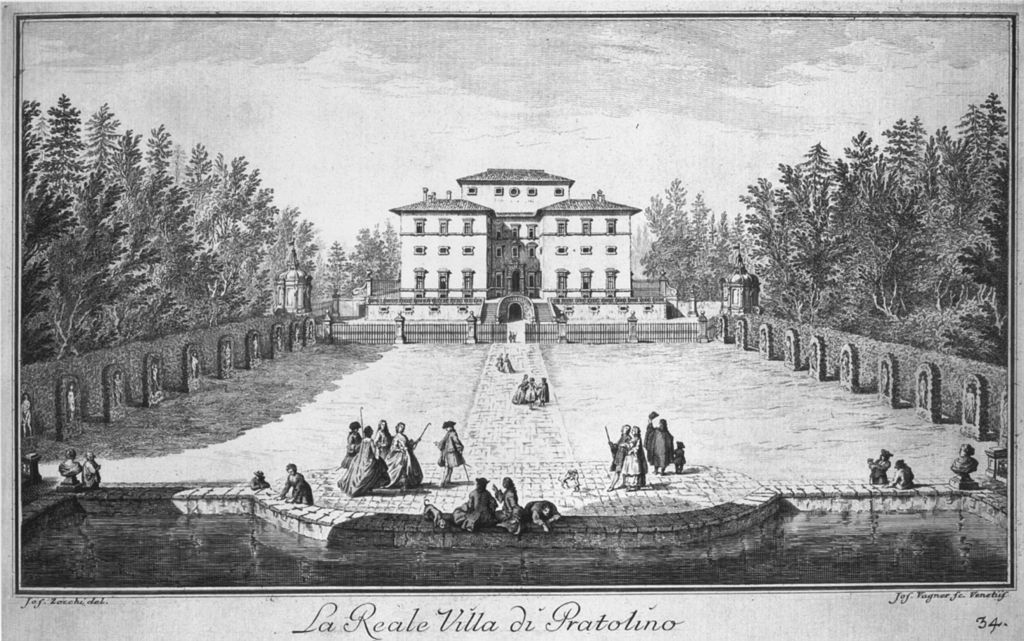
Print of Villa di Pratolino, the original buildings constructed for Francesco I. 

Beyond the boundaries of the ancient walls of the city, endless expanses of the Tuscan countryside hold  even more mystery and excitement. One of these places, only a short bus ride or drive away, is Villa Demidoff di Pratolino. The Villa is surrounded by a gorgeous park, and offers insight into the history of its past owners. Originally built by Francesco I de' Medici, the then Grand Duke of Tuscany, it was named Villa di Pratolino. The style was very structured, with flat grounds and symmetrical architectural details. After Francesco's death, the land passed through multiple possessions, from Grand Duke Ferdinand III to Leopold II, who then sold it to Prince Pavel Pavlovich Demidov. The Prince restored some of the deteriorating buildings, renaming it Villa Demidoff di Pratolino. Eventually, the park and Villa were bought by the province of Florence, which maintains it to the best of its abilities and opens it to visitors during the summer months.

Anything that is passed through different ownerships acquires various characteristics from each individual. This is also the case for Villa Demidoff. Though it is one place, it is filled with all kinds of different ponds, fields, caves, buildings, and sculptures that give it a sense of haphazard beauty. Perhaps the most particular contribution is the gigantic sculpture of Appennino, carved by Giambologna in 1580. This colossus rises above the waters of a manmade lake, seemingly dripping with the mud and clay from which it was born. Though worn down from hundreds of years exposed to the elements, you can still make out parts of the monster that the giant was wrestling when his creator carved him in stone. It is a magnificent piece of artwork that inspires wonder and curiosity.

The Colossus 
Past the colossus lie the grounds of the park, great open fields which create an overwhelming sense of freedom. The fields are framed by woods which are home to the wildlife of the region, including wild boars which might be seen exploring the edges of the park. Walking down the pathway you come to the Villa itself, sadly out of use but managing to keep some sense of regality with the history of its residents still present in the architecture. Throughout the grounds are various grottoes and caves guarded by "Danger!" signs, which warn visitors away from following their urge to explore the dark mysteries behind the overgrown foliage and carved entrances. Pathways cross the park in symmetrical lines and are lined by shade trees, connecting the various structures.

Villa Demidoff di Pratolino is full of wonders that differ drastically from those located in the historical center of Florence. The park offers a serene escape into greenery, and the fascination that comes from gazing up at the face of the colossus is worth the short bus trip out of town. By taking the ATAF bus 25A from Piazza San Marco, anyone can arrive at this hidden gem. It is the perfect place to spend a leisurely summer afternoon walking around the grounds and feeding your sense of imagination and exploration.
The grounds and structures of Villa Demidoff.

Contact us! info@istitutoeuropeo.it - www.istitutoeuropeo.it


lunedì 22 giugno 2015

An Inside Look at Teaching and Studying at Istituto Europeo: Manhattan College, Professor Nonie Wanger

Interview by Laura Tressel

Professor Nonie Wanger, Manhattan College
Director of Study Abroad Program

How did your teaching career begin?

Well originally I wanted to be an architect, but since I grew up with the French language, I decided to become a teacher. I like teaching, it's really a passion for me. I love to see the impact it has on my students. Especially seeing students that I had in a class in their freshman year, and then having them in another class junior or senior year and seeing how much they've grown. I teach French and Italian in the Modern Language and Literatures department. I've also been the director of study abroad at Manhattan College for 35 years now, and seeing the impact that the program has on students who have never even been out of their neighborhood is really amazing.

What brought you to Florence?

About 20 years ago we decided we wanted a program in Italy, and we thought about Rome, but decided it was just too big of a city. We chose Florence for several reasons. First because of the Renaissance history and art that it has: it's the city of Dante. Also because it isn't that big, it allows the students to become part of the fabric of the city. We were looking for a school to host our students and our program, and that's when we found the Istituto Europeo. My colleague visited the school and said that it was perfect, that it was small, right next to the Duomo, and that we would get great attention from the administration and teachers. So we decided to bring Manhattan College here. It was an excellent choice, since we have been teaching courses here for 20 years now.

How has the program changed in the past 20 years?

It started with very few students. Originally it was designed for students who had just finished the beginner or intermediate Italian courses to continue their learning here. The first year we had seven students, and this year we have 19 students in two classes. In past years, when we have had four courses besides the language course, we have had more than 30 students. Florence's summer study abroad program is the most popular out of the ones we offer. I think it is simply because they talk to each other about it and spread the word. We also have a lot of students from Italian backgrounds that want to make a connection with the country. Students from all five colleges of our university (Art, Science, Education, Business, and Engineering) come to study here in Florence. One of the best things for me is when students tell me how much the study abroad program has impacted them. I was just emailed by a  girl who studied here two years ago and is returning now to work for a tour company.

What do you think is the most important thing that students get out of the study abroad experience?

They understand the differences in culture, and that not everyone thinks the way they do. Different cultures do things differently, but ultimately we all have the same goal in life. Students also discover themselves when they study abroad. They learn to be more independent, to negotiate situations, and they learn tolerance with each other and the outside world. This will help them in their future jobs too, to help them think from different points of view. The best way to learn from this experience is to fully engulf themselves in the culture and in the language. Students should break from home, and learn about the city and culture they are in. They get to see the world differently and to use that in their own lives.


We wondered what some of the students from Manhattan College's program thought about Florence and the study abroad experience, so we interviewed two students attending classes here at Istituto Europeo. 

Student Interviews: Matthew Chiaramonte and Anna Champagne

Why did you choose to come to Florence?

M: I'm going to be a senior, and I wanted to study abroad at least once. Also, my family is from Italy so I wanted to learn about the culture.
A: I've never been to Europe before, and I had a friend who studied here for two semesters and he told me about all the experiences he had, all the people he met, and everything sounded so great that I decided I wanted to come here too.

How are you enjoying Italy so far?

M: I like Florence a lot, and also the South where my family is from. In my free time I just like hanging out with my friends, going to get coffee at a bar. Basically every week we have a trip too, so I've been to Rome, Pisa, Amalfi Coast, and we're going to Siena this week. It keeps us really busy.
A: It was a big culture shock initially, but after a couple of days being here I started exploring and walking around more. I want to see all the little streets and try different foods. I don't like having a destination, I prefer just wandering around.

What are some of the cultural differences you've noticed?

M: They dress differently, I guess more elegantly. When I went to visit my cousins who live in Italy, it was interesting because they see us differently. We're related, but we live in different places which makes our lifestyles different.
A: How people greet each other is very different. Everyone is so friendly here, especially compared to New Yorkers. They're also friendly to tourists and are eager to help which is something that i'm not used to at home.

What are your favorite things about Florence?

M: I like that you can walk everywhere. Everything is within like 15 minutes walking which is great. I also like the food of course. My favorite thing I've had is the Florentine steak which was amazing!
A: This past week I just went up to Piazzale Michelangelo to watch the sunset over Florence and it was amazing. I also love the gelato.

When you go home, what are you going to tell your friends?

M: First off, I'll tell them to definitely go. I've had so much fun, it feels like I've been here for two months not just three weeks. Everyone should study abroad if they can.
A: I'm going to tell them to go abroad, they have to. It's scary at first, but everything about it is worth it. It's important to try to break out of your comfort zone, like trying to break the language barrier. The experience is great!

Contact us! info@istitutoeuropeo.it - www.istitutoeuropeo.it


martedì 16 giugno 2015

Ethics and Beauty in Florentine Shops- Todo Modo: Pietro Torrigiani

Interview by Fabrizio Ulivieri and Laura Tressel


Where does the name of your bookshop, Todo Modo come from?


It comes from a famous book written by the Italian author Leonardo Sciascia, which they also made into a film. We also chose the name because the letters "T" and "M" are included in all the surnames of the people who work in the shop, which makes it more personal.

There are five of us who work together in the store. My wife and I manage the store and the books, there is someone in charge of the wine selection for the bar, and there are two guys who work outside with publishers. We all collaborate to make the business work.

How did you come into the bookshop business?

When I was younger and in school, I worked in a famous bookshop in Florence: Seeber. Unfortunately, that store is no longer around, but I really enjoyed working there. I finished school, and while I was working as a lawyer, my wife and I started a literary festival in La Spezia during the summers. We did this festival for seven years and through it we made a lot of connections with writers and publishers. The idea of creating a new bookstore in Florence came from this experience. It took us three years to build up our catalogue of books because the titles are not necessarily the popular books you see everywhere. A lot of the time, clients come and suggest books and if I like it i'll buy a couple copies of it.

What is your personal relationship with the city and with the bookstore?

I grew up on the Oltrano side of the river, San Frediano. I always thought that we would open the bookstore over there, but this location, just across the bridge, was perfect for our shop. A lot of our customers still come from that side of the river.

How do you feel about Florence?

Of course I love Florence! Especially in the last two years, independent bookstores are really getting attention here. I think six new independent bookstores have opened (including us) recently, and its really good for our business. I also think that if people get the chance to live in Florence, they can really become a part of the city and get deeper than just the tourist experience.

For me, one of the most important aspects of living and owning a shop in Florence is making connections with other people. For our bar, we always buy produce from the same market because we have good relations with them. Also, there is a new place that sells only art catalogues nearby, and because we have a good relationship with them, we make sure not to sell art catalogues at Todo Modo because we respect their business. These types of connections form a community among the businesses and people of Florence.

Why do you think people come to Florence?

They come because it is one of the most beautiful cities in the world, of course. Also, its very easy to walk everywhere. When people ask me for suggestions for where to go I always tell them just to walk around, not to spend hours inside a museum. There is so much to see around the city.

What are some of your favorite places in Florence?

My favorite place, besides my bookshop, is the area of San Frediano. I really like the atmosphere of the neighborhood. My favorite square there is Piazza Tasso. It has a lot of nice restaurants, there are always people that hang out and play soccer, and my favorite ice cream shop is here.

What reason would you give a student to come to Florence? 

The city is is place that you can really create a relationship with. You can connect with the churches, the  piazzas, the different places, and they will become a part of you. I think if a student could come here for six months or a year, they would really have the chance to become part of the city. It's a wonderful experience.


Contact us! info@istitutoeuropeo.it - www.istitutoeuropeo.it

lunedì 15 giugno 2015

Florence Hosts the Best in International Fashion: Pitti Immagine 2015

Florence is a major center of worldwide fashion, and upholds this title through the events of Pitti Immagine. Pitti Immagine is an exhibition of fashion, lifestyle, and the latest trends with exhibitions from over 1,000 international brands. There are a few different categories of events which take place throughout the year in Florence, and beginning tomorrow, June 16, the 88th edition of Pitti Uomo will open its doors to inspiration. The exhibition will last from June 16-18 at Fortezza da Basso with different events and shows each day, each showcasing various designers and fashion trends, particularly related to men's lifestyle.

The overall theme of this summer's exhibitions is "THAT'S PITTICOLOR!" which is a celebration of all the color that surrounds us and inspires life and fashion. There will be special events based around the theme, including LIVINGCOLOR, a look at color as it influences our lives from all aspects, and #GOLDMANIAC, a special collection designed to pay tribute to the color gold and all of its sparkling attributes.

Each day will host a wide variety of events throughout the city as well. For example, at the end of the first day, a special talk titled, "Buoni Talenti," will define the necessary ingredients for innovation in future design. This talk will feature speakers like Sara Maino, the senior editor of Vogue Italia, Matteo Cibic, the designer for Benetton, and Alessandro Colombo, the director for Istituto Europeo di Design Firenze. A major goal of this entire event is to inspire and support young designers who will become the future of the fashion industry.


There will also be the 81st exhibition of Pitti Bimbo, which celebrates trends in children's fashion this summer, June 25-27. In July, Florence will host Pitti Filati for its77th year. Pitti Filati showcases works of knitting and yarn, and is the biggest gathering for this type of fashion in the world. For more event information, visit the official website at http://www.pittimmagine.com/en/corporate.html.


Contact us! info@istitutoeuropeo.it - www.istitutoeuropeo.it


martedì 9 giugno 2015

Once in a Lifetime Astrological Lightshow at Santa Maria del Fiore

by Laura Tressel

It is well known that Florence is a city with strong connections to the subjects of art and history, hosting some of the most world-renown works of art in its museums, and greeting thousands of visitors everyday hoping to absorb as much historical knowledge as they can in their short stay. The past breathes life into the city and all who venture here. However, there are some lesser known aspects of Florence that retain their own magic, specifically in the field of science.

The dome of Cattedrale di Santa Maria del Fiore itself is an amazing scientific accomplishment, but perhaps something even more marvelous housed in the dome, is the Gnomon. This device is basically a circular hole located in the top of the dome which, in the past, allowed scientists to observe the passage of the sun through night and day, marking the solar year.

With the technology we have today, the practical need for such instruments has ben eliminated, but the gnomon is still a major attraction. This year, during the summer solstice, you will be able to witness the phenomenon of the disk of sunlight from the hole falling on the floor of the cathedral to match up with its marble counterpart on the floor below. The opportunities to see this will be June 12, 20, and 25 between 12.30 and 13.30 in the afternoon. The light show takes place in the chapel of the cross, to the left of the main alter. Regular admission into the cathedral, as usual, is free.

The gnomon has been in use in the dome since 1475, when it was designed and installed by a Florentine mathematician by the name of  Paolo Dal Pozzo Toscanelli. It was built 90 meters above the floor, with a small opening in the middle of a circular bronze plate, and is the biggest of its kind in the world. There are other, similar devices located in churches around Italy and France, but none as high up as Florence's. Its extreme height is the reason that the rays of light only reach the floor during a short period of time each year. When the sun falls through the hole, it moves across the meridian line on the floor of the church, marking the solstice when it matches with the specific marble circle.

The device was used to its full potential for about 300 years after its installment, however due to scientific inconstancies such as the shift of the earth, or change of altitude of the Sun in the sky, the gnomon lost its accurate accredibility. Now it can be used to help determine the stability of the structure of the cathedral by taking the measurements every year and looking for any differences of the light matching up with the marble circle on the floor. This is an occurrence that can only be witnessed during these few days, and a truly magnificent historical and scientific accomplishment. The ingenuity of famous Florentine people keeps the past alive and inspires new inspiration in our own lives.

Contact us! info@istitutoeuropeo.it - www.istitutoeuropeo.it

giovedì 4 giugno 2015

Florence's Explosive Summer Celebrations: Festa di San Giovanni and Calcio Storico

by Laura Tressel

On any given day in Florence, you can find young boys kicking a ball around, playing football (calcio) in their spare time. The radio stations and tv play constant coverage of any and all football related news. A social meeting is rarely complete without an analysis of Fiorentina's most recent game. All of these things are part of the normal, everyday life of Florentines. However, on June 24, a different sporting event takes the spotlight.


This is the day of Festa di San Giovanni, when the city celebrates St. John the Baptist, its patron saint. It is a city-wide holiday, which means many residents get the day off from work and can instead focus all their energy on the festivities. In the morning there is a traditional parade through the city, followed by a mass held at the Cattedrale di Santa Maria del Fiore, commonly known as il Duomo. The main sporting event happens later in the afternoon, in Piazza Santa Croce. Right now, the square is being transformed from its usual grey cobblestone expanse. Bleachers are being built, and soon the inside square will be filled with sand which forms the playing field for Calcio Storico. 


This event has its origins in ancient Greek and Roman games, and was molded to a more refined version during the 15th and 16th centuries. It is a slightly gruesome sport that allows almost all physical contact, including punching, kicking, and choking. Both teams pass a ball between players, attempting to get it across the goal line on the opposite side of the field. Whoever scows the most goals in a period of 50 minutes is declared the winner. 

Besides being an exciting and brutish game for both the players and audience, Calcio Storico brings to life the vibrant historical culture of Florence. The players dress up in colorful costumes which represent their team, one of the four quarters of the city. The Blue team (Azzuri) is from Santa Croce, Red (Rossi) from Santa Maria Novella, White (Bianchi) from Santo Spirito, and Green (Verdi) from San Giovanni. The teams fight to win the title for their quarter. The festival also involves musicians and flag bearers, all in costume of course. 


At night, the sky above Florence will explode with color as fireworks are set off in celebration. The beauty of the lights and the city's monuments reflect in on the surface of the Arno river. The city will be alive and the people filled with pride for their history. Florentine people take a lot of pride in the accomplishments and traditions of their home. Festa di San Giovanni is a day to fully soak in this spirit and to appreciate the great richness of its history. 

Contact us! info@istitutoeuropeo.it - www.istitutoeuropeo.it